Anti-Inflammatory Eating Made Simple
Chronic inflammation is silent but cumulative. The foods that reduce it are also the most delicious ones. Add more, restrict less, and let the pattern do the work.

The Glow Up Reset

Inflammation is not your enemy. It is, in fact, one of your body's most sophisticated defense mechanisms, a precise and powerful biological response designed to protect you from injury, infection, and cellular damage. The problem is not inflammation itself. The problem is when it never turns off.
Chronic low-grade inflammation, the kind that simmers beneath the surface without the dramatic symptoms of an acute immune response, has been identified by researchers as a common upstream driver of an extraordinary range of modern health concerns: acne and inflammatory skin conditions, hormonal disruption, persistent fatigue, joint pain, brain fog, mood instability, weight changes that resist conventional explanation, and an accelerated pace of biological aging.
It is also, and this is the part worth dwelling on, significantly influenced by what you eat. Not in a simple good-food-bad-food way, but in a cumulative, pattern-based way that is both well-evidenced and genuinely actionable. The foods that consistently drive chronic inflammation are well-characterized. So are the foods that consistently reduce it. And the gap between the two is not as dramatic, or as restrictive, as the wellness internet tends to suggest.
This is the straightforward guide to anti-inflammatory eating: what it actually means, what the science actually supports, and how to build it into a real life without making food the enemy.
Member-Only
This content is member-only
Please purchase a membership to continue reading.
1,000+ Happy Customers
Join The Glow Up Reset
Billed yearly
$
9,99/mo
Members-only weekly articles
Monthly challenges
E-books
Exclusive brand discount codes
Seasonal shopping guides
Already have an account?
Inflammation is not your enemy. It is, in fact, one of your body's most sophisticated defense mechanisms, a precise and powerful biological response designed to protect you from injury, infection, and cellular damage. The problem is not inflammation itself. The problem is when it never turns off.
Chronic low-grade inflammation, the kind that simmers beneath the surface without the dramatic symptoms of an acute immune response, has been identified by researchers as a common upstream driver of an extraordinary range of modern health concerns: acne and inflammatory skin conditions, hormonal disruption, persistent fatigue, joint pain, brain fog, mood instability, weight changes that resist conventional explanation, and an accelerated pace of biological aging.
It is also, and this is the part worth dwelling on, significantly influenced by what you eat. Not in a simple good-food-bad-food way, but in a cumulative, pattern-based way that is both well-evidenced and genuinely actionable. The foods that consistently drive chronic inflammation are well-characterized. So are the foods that consistently reduce it. And the gap between the two is not as dramatic, or as restrictive, as the wellness internet tends to suggest.
This is the straightforward guide to anti-inflammatory eating: what it actually means, what the science actually supports, and how to build it into a real life without making food the enemy.
What Chronic Inflammation Actually Is
To eat in a way that reduces inflammation, it helps to understand what you are actually dealing with. Acute inflammation is the visible, localized response to injury or infection: redness, swelling, heat, pain. It is purposeful, time-limited, and resolves when the threat is cleared. This is inflammation working correctly.
Chronic low-grade inflammation is different. It is systemic rather than localized, persistent rather than time-limited, and often asymptomatic in its early stages. It is characterized by consistently elevated levels of inflammatory cytokines, particularly interleukin-6 (IL-6), tumor necrosis factor-alpha (TNF-α), and C-reactive protein (CRP), in the bloodstream. These markers can be measured on standard blood tests, and their elevation, even at levels below the threshold for a clinical diagnosis, is associated with the progressive development of the chronic conditions now responsible for the majority of morbidity in developed countries.
"Chronic inflammation is not a dramatic event. It is a quiet, persistent condition that accumulates over years of dietary and lifestyle choices, and it is one of the most modifiable risk factors available."
The drivers of chronic low-grade inflammation are multiple and overlapping: dietary pattern, gut microbiome health, sleep quality, stress levels, physical activity, exposure to environmental toxins, and metabolic health. Diet is not the only lever, but it is one of the most accessible and most impactful ones, and it is the dimension over which most people have the greatest direct control.
The Foods That Drive Inflammation
Before focusing on what to add, it is worth being specific about what consistently drives the inflammatory state that anti-inflammatory eating is designed to reduce. The research is reasonably consistent on the major culprits, and knowing them makes it easier to understand why the anti-inflammatory dietary pattern looks the way it does.
Food category | Inflammatory mechanism | Common sources |
|---|---|---|
Ultra-processed foods | Disrupt gut microbiome, drive dysbiosis, contain emulsifiers that increase intestinal permeability | Packaged snacks, fast food, ready meals, processed meats |
Refined sugar and high-fructose corn syrup | Drives insulin spikes, elevates AGEs (advanced glycation end-products), promotes oxidative stress | Soft drinks, confectionery, baked goods, sweetened cereals |
Refined vegetable oils (high omega-6) | Excess omega-6 relative to omega-3 drives the production of pro-inflammatory eicosanoids | Sunflower, corn, soybean, and canola oils used in processed foods |
Excess alcohol | Increases intestinal permeability ("leaky gut"), disrupts gut microbiome, elevates inflammatory cytokines | Regular heavy consumption rather than occasional moderate intake |
Refined carbohydrates | Rapid glucose absorption drives insulin spikes, oxidative stress, and the glycation of proteins including collagen | White bread, white rice, pastries, processed breakfast cereals |
It is worth noting that the inflammatory potential of these foods is dose-dependent and context-dependent. A piece of birthday cake is not inflammatory in any meaningful biological sense. A daily diet dominated by ultra-processed foods, refined sugars, and industrially refined oils, maintained over months and years, is. The distinction between occasional consumption and dietary pattern is one the wellness conversation consistently fails to make clearly enough.
The Anti-Inflammatory Foods Worth Knowing
The anti-inflammatory dietary pattern is not a list of superfoods or a set of elimination rules. It is a way of eating characterized by abundance of specific food categories that consistently reduce inflammatory markers, support gut microbiome diversity, provide antioxidant protection against oxidative stress, and supply the nutrients required for the body's own anti-inflammatory processes.
Omega-3 fatty acids: the most powerful dietary anti-inflammatory
The omega-3 to omega-6 ratio in the diet is one of the most significant dietary determinants of systemic inflammation. Omega-3 fatty acids, particularly EPA and DHA found in oily fish, are the direct precursors to the specialized pro-resolving mediators (resolvins, protectins, and maresins) that actively resolve inflammation. When omega-3 intake is adequate relative to omega-6, the body is better equipped to turn inflammation off after it has been turned on.
The practical implication: oily fish two to three times per week (salmon, sardines, mackerel, anchovies, herring), supplemented if necessary with a high-quality fish oil or algae-based omega-3. For plant-based eaters, walnuts, flaxseed, and chia seeds provide ALA, which converts to EPA and DHA less efficiently but meaningfully contributes to the omega-3 pool.
Extra virgin olive oil: liquid gold for inflammation
Extra virgin olive oil is one of the most studied anti-inflammatory foods available. It contains oleocanthal, a polyphenol with ibuprofen-like anti-inflammatory activity, as well as oleic acid, hydroxytyrosol, and dozens of other bioactive compounds with documented anti-inflammatory and antioxidant properties. A 2005 study in Nature by Gary Beauchamp estimated that 50ml of high-quality extra virgin olive oil daily provides anti-inflammatory activity equivalent to approximately ten percent of the adult ibuprofen dose.
The key is quality: extra virgin, cold-pressed, stored in a dark bottle, and used generously across cooking and dressing. It is both the most delicious and most evidence-backed anti-inflammatory ingredient in the kitchen.
Colorful plant foods: antioxidants and phytonutrients
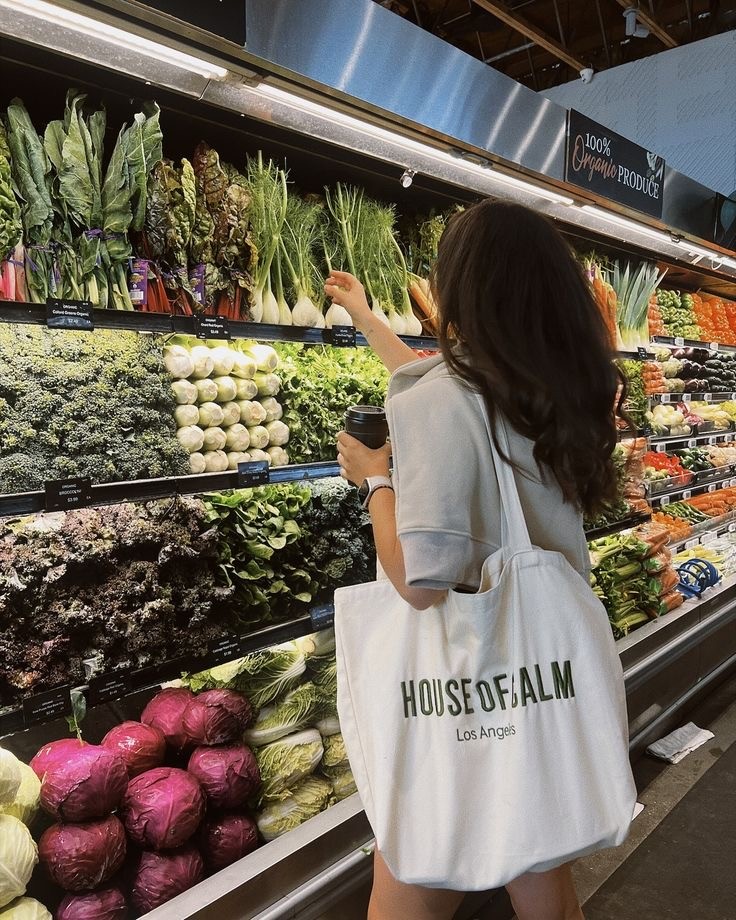
The color of fruits and vegetables is a direct indicator of their antioxidant content. Anthocyanins (blue and purple), lycopene (red), beta-carotene (orange), lutein (yellow-green), and chlorophyll (deep green) represent different families of phytonutrients with overlapping and complementary anti-inflammatory and antioxidant activities. Eating across the color spectrum is the simplest and most effective strategy for maximizing dietary phytonutrient diversity.
Red and orange Tomatoes (lycopene), red peppers, sweet potato, carrots, papaya. Lycopene is particularly potent against oxidative stress and has documented skin-protective effects against UV damage. |
Blue and purple Blueberries, blackberries, red cabbage, purple sweet potato. Anthocyanins are among the most studied anti-inflammatory phytonutrients with evidence for cognitive protection and cardiovascular health. |
Deep green Spinach, kale, broccoli, rocket, courgette. Rich in folate, magnesium, vitamin K, and chlorophyll. Broccoli contains sulforaphane, one of the most potent natural activators of the NRF2 anti-inflammatory pathway. |
Alliums and crucifers Garlic, onion, leek, broccoli, cauliflower, Brussels sprouts. Among the most anti-inflammatory food families available, with strong evidence for gut microbiome support and immune regulation. |
Fermented foods: the gut-inflammation connection
A 2021 randomized controlled trial published in Cell by researchers at Stanford University compared high-fiber and high-fermented food diets over ten weeks. The high-fermented food group showed significantly greater increases in gut microbiome diversity and significantly greater reductions in 19 inflammatory proteins, including IL-6, compared to the high-fiber group. The conclusion was striking: fermented foods may be among the most potent dietary interventions available for reducing systemic inflammation, with effects that exceeded those of increased dietary fiber alone.
Live yogurt, kefir, kimchi, sauerkraut, miso, tempeh, and kombucha are all meaningful sources of live cultures. Consistency matters more than quantity: a small daily serving of fermented food produces more meaningful microbiome and inflammatory effects than occasional large amounts.
Herbs and spices: the most anti-inflammatory foods by weight
Gram for gram, herbs and spices contain some of the highest concentrations of anti-inflammatory compounds available in the food supply. They are also the most consistently underused category of anti-inflammatory food in everyday cooking.
Turmeric: curcumin, the active compound in turmeric, is one of the most extensively studied natural anti-inflammatory compounds available. Its bioavailability is significantly enhanced by black pepper (piperine increases absorption by up to 2000 percent) and fat. Use generously in cooking rather than relying on supplementation for the vast majority of daily use.
Ginger: gingerols and shogaols are potent inhibitors of the same inflammatory pathways targeted by NSAIDs, with multiple clinical trials showing meaningful reductions in inflammatory markers and joint pain. Fresh ginger in cooking, teas, and dressings is the most accessible delivery method.
Rosemary and thyme: rich in rosmarinic acid and carnosic acid, both with documented anti-inflammatory and antioxidant activity. Among the easiest anti-inflammatory upgrades available, requiring only the habit of using fresh or dried herbs generously in cooking.
Cinnamon: reduces inflammatory markers and improves insulin sensitivity. Add to oats, coffee, smoothies, and baked goods for a consistent low-level anti-inflammatory contribution.
The Anti-Inflammatory Day: What It Actually Looks Like
Theory without application is useless. Here is what a genuinely anti-inflammatory day of eating looks like in practice, built for pleasure and sustainability rather than perfection.
An anti-inflammatory day
Morning: warm water with lemon or ginger before coffee. A pleasant hydrating ritual, not a detox claim.
Breakfast: overnight oats with blueberries, walnuts, cinnamon, and flaxseed. Or scrambled eggs with spinach, tomatoes, and olive oil on sourdough.
Lunch: a large colorful salad with roasted vegetables, olive oil and lemon dressing, pumpkin seeds, and a quality protein. The more colors, the better.
Snack: mixed berries with full-fat yogurt, or walnuts and a square of dark chocolate above 70 percent.
Dinner: baked salmon with turmeric and black pepper, roasted broccoli and sweet potato, and a side of kimchi. Or slow-cooked lentils with olive oil, garlic, rosemary, and live yogurt.
Evening: green tea or a small square of very dark chocolate. Both deliver meaningful anti-inflammatory and antioxidant compounds in genuinely enjoyable form.
The Lifestyle Dimension: Eating Is Only Part of the Picture
An anti-inflammatory dietary pattern is the most accessible and impactful single lever for reducing chronic inflammation, but it operates within a broader lifestyle context that either amplifies or undermines its effects. The most anti-inflammatory diet in the world is partially negated by chronic sleep deprivation, which independently elevates IL-6 and TNF-α, or by chronic psychological stress, which maintains cortisol at levels that drive systemic inflammation through multiple pathways.
The lifestyle factors with the strongest evidence for reducing chronic inflammation alongside diet are consistent and adequate sleep, regular moderate-intensity exercise (noting that very high-intensity exercise without adequate recovery can transiently elevate inflammatory markers), effective stress management, and the avoidance of smoking and excess alcohol. These are not additions to an anti-inflammatory diet. They are its partners, and together they produce synergistic effects that neither achieves alone.
The Takeaway
Anti-inflammatory eating is not a protocol to follow perfectly. It is a pattern to build gradually, consistently, and with enough pleasure and flexibility to be sustained for life rather than abandoned after a month.
The foods that reduce inflammation are some of the most delicious available: oily fish with olive oil and herbs, berries with yogurt, dark chocolate, turmeric-spiced legumes, a glass of good red wine on a Friday evening. This is not deprivation dressed up as wellness. It is genuine nourishment that happens to be, by every measure available, extraordinarily good for you.
Start with the additions. More olive oil. More oily fish. More colorful vegetables. More fermented foods. More herbs and spices. Build those habits until they are the default, and the inflammatory foods will naturally take up less space, not because you restricted them, but because the anti-inflammatory ones left less room. That is the version of this that actually works.
Inflammation is not your enemy. It is, in fact, one of your body's most sophisticated defense mechanisms, a precise and powerful biological response designed to protect you from injury, infection, and cellular damage. The problem is not inflammation itself. The problem is when it never turns off.
Chronic low-grade inflammation, the kind that simmers beneath the surface without the dramatic symptoms of an acute immune response, has been identified by researchers as a common upstream driver of an extraordinary range of modern health concerns: acne and inflammatory skin conditions, hormonal disruption, persistent fatigue, joint pain, brain fog, mood instability, weight changes that resist conventional explanation, and an accelerated pace of biological aging.
It is also, and this is the part worth dwelling on, significantly influenced by what you eat. Not in a simple good-food-bad-food way, but in a cumulative, pattern-based way that is both well-evidenced and genuinely actionable. The foods that consistently drive chronic inflammation are well-characterized. So are the foods that consistently reduce it. And the gap between the two is not as dramatic, or as restrictive, as the wellness internet tends to suggest.
This is the straightforward guide to anti-inflammatory eating: what it actually means, what the science actually supports, and how to build it into a real life without making food the enemy.
Member-Only
This content is member-only
Please purchase a membership to continue reading.
1,000+ Happy Customers
Join The Glow Up Reset
Billed yearly
$
9,99/mo
Members-only weekly articles
Monthly challenges
E-books
Exclusive brand discount codes
Seasonal shopping guides
Already have an account?
Inflammation is not your enemy. It is, in fact, one of your body's most sophisticated defense mechanisms, a precise and powerful biological response designed to protect you from injury, infection, and cellular damage. The problem is not inflammation itself. The problem is when it never turns off.
Chronic low-grade inflammation, the kind that simmers beneath the surface without the dramatic symptoms of an acute immune response, has been identified by researchers as a common upstream driver of an extraordinary range of modern health concerns: acne and inflammatory skin conditions, hormonal disruption, persistent fatigue, joint pain, brain fog, mood instability, weight changes that resist conventional explanation, and an accelerated pace of biological aging.
It is also, and this is the part worth dwelling on, significantly influenced by what you eat. Not in a simple good-food-bad-food way, but in a cumulative, pattern-based way that is both well-evidenced and genuinely actionable. The foods that consistently drive chronic inflammation are well-characterized. So are the foods that consistently reduce it. And the gap between the two is not as dramatic, or as restrictive, as the wellness internet tends to suggest.
This is the straightforward guide to anti-inflammatory eating: what it actually means, what the science actually supports, and how to build it into a real life without making food the enemy.
What Chronic Inflammation Actually Is
To eat in a way that reduces inflammation, it helps to understand what you are actually dealing with. Acute inflammation is the visible, localized response to injury or infection: redness, swelling, heat, pain. It is purposeful, time-limited, and resolves when the threat is cleared. This is inflammation working correctly.
Chronic low-grade inflammation is different. It is systemic rather than localized, persistent rather than time-limited, and often asymptomatic in its early stages. It is characterized by consistently elevated levels of inflammatory cytokines, particularly interleukin-6 (IL-6), tumor necrosis factor-alpha (TNF-α), and C-reactive protein (CRP), in the bloodstream. These markers can be measured on standard blood tests, and their elevation, even at levels below the threshold for a clinical diagnosis, is associated with the progressive development of the chronic conditions now responsible for the majority of morbidity in developed countries.
"Chronic inflammation is not a dramatic event. It is a quiet, persistent condition that accumulates over years of dietary and lifestyle choices, and it is one of the most modifiable risk factors available."
The drivers of chronic low-grade inflammation are multiple and overlapping: dietary pattern, gut microbiome health, sleep quality, stress levels, physical activity, exposure to environmental toxins, and metabolic health. Diet is not the only lever, but it is one of the most accessible and most impactful ones, and it is the dimension over which most people have the greatest direct control.
The Foods That Drive Inflammation
Before focusing on what to add, it is worth being specific about what consistently drives the inflammatory state that anti-inflammatory eating is designed to reduce. The research is reasonably consistent on the major culprits, and knowing them makes it easier to understand why the anti-inflammatory dietary pattern looks the way it does.
Food category | Inflammatory mechanism | Common sources |
|---|---|---|
Ultra-processed foods | Disrupt gut microbiome, drive dysbiosis, contain emulsifiers that increase intestinal permeability | Packaged snacks, fast food, ready meals, processed meats |
Refined sugar and high-fructose corn syrup | Drives insulin spikes, elevates AGEs (advanced glycation end-products), promotes oxidative stress | Soft drinks, confectionery, baked goods, sweetened cereals |
Refined vegetable oils (high omega-6) | Excess omega-6 relative to omega-3 drives the production of pro-inflammatory eicosanoids | Sunflower, corn, soybean, and canola oils used in processed foods |
Excess alcohol | Increases intestinal permeability ("leaky gut"), disrupts gut microbiome, elevates inflammatory cytokines | Regular heavy consumption rather than occasional moderate intake |
Refined carbohydrates | Rapid glucose absorption drives insulin spikes, oxidative stress, and the glycation of proteins including collagen | White bread, white rice, pastries, processed breakfast cereals |
It is worth noting that the inflammatory potential of these foods is dose-dependent and context-dependent. A piece of birthday cake is not inflammatory in any meaningful biological sense. A daily diet dominated by ultra-processed foods, refined sugars, and industrially refined oils, maintained over months and years, is. The distinction between occasional consumption and dietary pattern is one the wellness conversation consistently fails to make clearly enough.
The Anti-Inflammatory Foods Worth Knowing
The anti-inflammatory dietary pattern is not a list of superfoods or a set of elimination rules. It is a way of eating characterized by abundance of specific food categories that consistently reduce inflammatory markers, support gut microbiome diversity, provide antioxidant protection against oxidative stress, and supply the nutrients required for the body's own anti-inflammatory processes.
Omega-3 fatty acids: the most powerful dietary anti-inflammatory
The omega-3 to omega-6 ratio in the diet is one of the most significant dietary determinants of systemic inflammation. Omega-3 fatty acids, particularly EPA and DHA found in oily fish, are the direct precursors to the specialized pro-resolving mediators (resolvins, protectins, and maresins) that actively resolve inflammation. When omega-3 intake is adequate relative to omega-6, the body is better equipped to turn inflammation off after it has been turned on.
The practical implication: oily fish two to three times per week (salmon, sardines, mackerel, anchovies, herring), supplemented if necessary with a high-quality fish oil or algae-based omega-3. For plant-based eaters, walnuts, flaxseed, and chia seeds provide ALA, which converts to EPA and DHA less efficiently but meaningfully contributes to the omega-3 pool.
Extra virgin olive oil: liquid gold for inflammation
Extra virgin olive oil is one of the most studied anti-inflammatory foods available. It contains oleocanthal, a polyphenol with ibuprofen-like anti-inflammatory activity, as well as oleic acid, hydroxytyrosol, and dozens of other bioactive compounds with documented anti-inflammatory and antioxidant properties. A 2005 study in Nature by Gary Beauchamp estimated that 50ml of high-quality extra virgin olive oil daily provides anti-inflammatory activity equivalent to approximately ten percent of the adult ibuprofen dose.
The key is quality: extra virgin, cold-pressed, stored in a dark bottle, and used generously across cooking and dressing. It is both the most delicious and most evidence-backed anti-inflammatory ingredient in the kitchen.
Colorful plant foods: antioxidants and phytonutrients
The color of fruits and vegetables is a direct indicator of their antioxidant content. Anthocyanins (blue and purple), lycopene (red), beta-carotene (orange), lutein (yellow-green), and chlorophyll (deep green) represent different families of phytonutrients with overlapping and complementary anti-inflammatory and antioxidant activities. Eating across the color spectrum is the simplest and most effective strategy for maximizing dietary phytonutrient diversity.
Red and orange Tomatoes (lycopene), red peppers, sweet potato, carrots, papaya. Lycopene is particularly potent against oxidative stress and has documented skin-protective effects against UV damage. |
Blue and purple Blueberries, blackberries, red cabbage, purple sweet potato. Anthocyanins are among the most studied anti-inflammatory phytonutrients with evidence for cognitive protection and cardiovascular health. |
Deep green Spinach, kale, broccoli, rocket, courgette. Rich in folate, magnesium, vitamin K, and chlorophyll. Broccoli contains sulforaphane, one of the most potent natural activators of the NRF2 anti-inflammatory pathway. |
Alliums and crucifers Garlic, onion, leek, broccoli, cauliflower, Brussels sprouts. Among the most anti-inflammatory food families available, with strong evidence for gut microbiome support and immune regulation. |
Fermented foods: the gut-inflammation connection
A 2021 randomized controlled trial published in Cell by researchers at Stanford University compared high-fiber and high-fermented food diets over ten weeks. The high-fermented food group showed significantly greater increases in gut microbiome diversity and significantly greater reductions in 19 inflammatory proteins, including IL-6, compared to the high-fiber group. The conclusion was striking: fermented foods may be among the most potent dietary interventions available for reducing systemic inflammation, with effects that exceeded those of increased dietary fiber alone.
Live yogurt, kefir, kimchi, sauerkraut, miso, tempeh, and kombucha are all meaningful sources of live cultures. Consistency matters more than quantity: a small daily serving of fermented food produces more meaningful microbiome and inflammatory effects than occasional large amounts.
Herbs and spices: the most anti-inflammatory foods by weight
Gram for gram, herbs and spices contain some of the highest concentrations of anti-inflammatory compounds available in the food supply. They are also the most consistently underused category of anti-inflammatory food in everyday cooking.
Turmeric: curcumin, the active compound in turmeric, is one of the most extensively studied natural anti-inflammatory compounds available. Its bioavailability is significantly enhanced by black pepper (piperine increases absorption by up to 2000 percent) and fat. Use generously in cooking rather than relying on supplementation for the vast majority of daily use.
Ginger: gingerols and shogaols are potent inhibitors of the same inflammatory pathways targeted by NSAIDs, with multiple clinical trials showing meaningful reductions in inflammatory markers and joint pain. Fresh ginger in cooking, teas, and dressings is the most accessible delivery method.
Rosemary and thyme: rich in rosmarinic acid and carnosic acid, both with documented anti-inflammatory and antioxidant activity. Among the easiest anti-inflammatory upgrades available, requiring only the habit of using fresh or dried herbs generously in cooking.
Cinnamon: reduces inflammatory markers and improves insulin sensitivity. Add to oats, coffee, smoothies, and baked goods for a consistent low-level anti-inflammatory contribution.
The Anti-Inflammatory Day: What It Actually Looks Like
Theory without application is useless. Here is what a genuinely anti-inflammatory day of eating looks like in practice, built for pleasure and sustainability rather than perfection.
An anti-inflammatory day
Morning: warm water with lemon or ginger before coffee. A pleasant hydrating ritual, not a detox claim.
Breakfast: overnight oats with blueberries, walnuts, cinnamon, and flaxseed. Or scrambled eggs with spinach, tomatoes, and olive oil on sourdough.
Lunch: a large colorful salad with roasted vegetables, olive oil and lemon dressing, pumpkin seeds, and a quality protein. The more colors, the better.
Snack: mixed berries with full-fat yogurt, or walnuts and a square of dark chocolate above 70 percent.
Dinner: baked salmon with turmeric and black pepper, roasted broccoli and sweet potato, and a side of kimchi. Or slow-cooked lentils with olive oil, garlic, rosemary, and live yogurt.
Evening: green tea or a small square of very dark chocolate. Both deliver meaningful anti-inflammatory and antioxidant compounds in genuinely enjoyable form.
The Lifestyle Dimension: Eating Is Only Part of the Picture
An anti-inflammatory dietary pattern is the most accessible and impactful single lever for reducing chronic inflammation, but it operates within a broader lifestyle context that either amplifies or undermines its effects. The most anti-inflammatory diet in the world is partially negated by chronic sleep deprivation, which independently elevates IL-6 and TNF-α, or by chronic psychological stress, which maintains cortisol at levels that drive systemic inflammation through multiple pathways.
The lifestyle factors with the strongest evidence for reducing chronic inflammation alongside diet are consistent and adequate sleep, regular moderate-intensity exercise (noting that very high-intensity exercise without adequate recovery can transiently elevate inflammatory markers), effective stress management, and the avoidance of smoking and excess alcohol. These are not additions to an anti-inflammatory diet. They are its partners, and together they produce synergistic effects that neither achieves alone.
The Takeaway
Anti-inflammatory eating is not a protocol to follow perfectly. It is a pattern to build gradually, consistently, and with enough pleasure and flexibility to be sustained for life rather than abandoned after a month.
The foods that reduce inflammation are some of the most delicious available: oily fish with olive oil and herbs, berries with yogurt, dark chocolate, turmeric-spiced legumes, a glass of good red wine on a Friday evening. This is not deprivation dressed up as wellness. It is genuine nourishment that happens to be, by every measure available, extraordinarily good for you.
Start with the additions. More olive oil. More oily fish. More colorful vegetables. More fermented foods. More herbs and spices. Build those habits until they are the default, and the inflammatory foods will naturally take up less space, not because you restricted them, but because the anti-inflammatory ones left less room. That is the version of this that actually works.
01.
What is the most anti-inflammatory food?
No single food reduces inflammation in isolation. The most consistent and well-evidenced anti-inflammatory dietary interventions involve regular consumption of oily fish (for EPA and DHA), extra virgin olive oil (for oleocanthal and polyphenols), diverse colorful plant foods (for antioxidants and phytonutrients), fermented foods (for microbiome diversity), and herbs and spices including turmeric, ginger, and rosemary. The pattern matters more than any individual food.
02.
How quickly does an anti-inflammatory diet work?
Measurable reductions in inflammatory markers including CRP and IL-6 have been documented within two to four weeks of consistent dietary change in multiple clinical trials. Felt improvements in energy, skin clarity, joint comfort, and digestive ease are typically noticed within two to three weeks. More significant and stable changes in systemic inflammation develop over three to six months of consistent anti-inflammatory eating.
03.
Does dairy cause inflammation?
The evidence on dairy and inflammation is more nuanced than popular wellness culture suggests. Full-fat, fermented dairy products including yogurt, kefir, and aged cheeses are consistently associated with neutral or anti-inflammatory effects in research, likely due to their live culture content, specific fatty acid profile, and nutrients including vitamin K2. Ultra-processed dairy products and large amounts of low-fat dairy show less favorable associations. For most people without a specific dairy intolerance or allergy, quality dairy in moderate amounts is not an inflammatory food.
About



Explore Topics



Related Post
Reduce everyday post meal bloating by adjusting meal pace, portion size, fiber timing, and fizzy drinks while tracking the patterns that actually matter.
Build a more satisfying breakfast with protein, fiber, fat, and realistic portions, plus examples for mornings when you need energy that lasts to lunch.

Emotional eating is the act of using food to soothe, distract from, or numb an emotional experience, rather than to satisfy physical hunger.
Your body detoxes constantly. It doesn't need a cleanse, it needs support. Water, cruciferous vegetables, sleep, and less processing do more than any protocol.

Your skin is built from what you eat. Vitamin C, omega-3s, zinc, and vitamin A are the daily non-negotiables. Feed the skin from within and the glow follows.

Meal prep fails when it feels like a production. Prep ingredients, not meals. Ninety minutes on Sunday changes every weeknight that follows.
Reduce everyday post meal bloating by adjusting meal pace, portion size, fiber timing, and fizzy drinks while tracking the patterns that actually matter.
Build a more satisfying breakfast with protein, fiber, fat, and realistic portions, plus examples for mornings when you need energy that lasts to lunch.
Emotional eating is the act of using food to soothe, distract from, or numb an emotional experience, rather than to satisfy physical hunger.
Your body detoxes constantly. It doesn't need a cleanse, it needs support. Water, cruciferous vegetables, sleep, and less processing do more than any protocol.
Subscribe now to stay updated with top news !
Your glow up starts in your inbox. Subscribe to The Weekly Glow for expert-backed skincare routines, fitness plans that actually stick, clean recipes, gifts, and the mindset shifts that make it all click — delivered every week.



Subscribe now to stay updated with top news !
Your glow up starts in your inbox. Subscribe to The Weekly Glow for expert-backed skincare routines, fitness plans that actually stick, clean recipes, gifts, and the mindset shifts that make it all click — delivered every week.
Subscribe now to stay updated with top news !
Your glow up starts in your inbox. Subscribe to The Weekly Glow for expert-backed skincare routines, fitness plans that actually stick, clean recipes, gifts, and the mindset shifts that make it all click — delivered every week.